
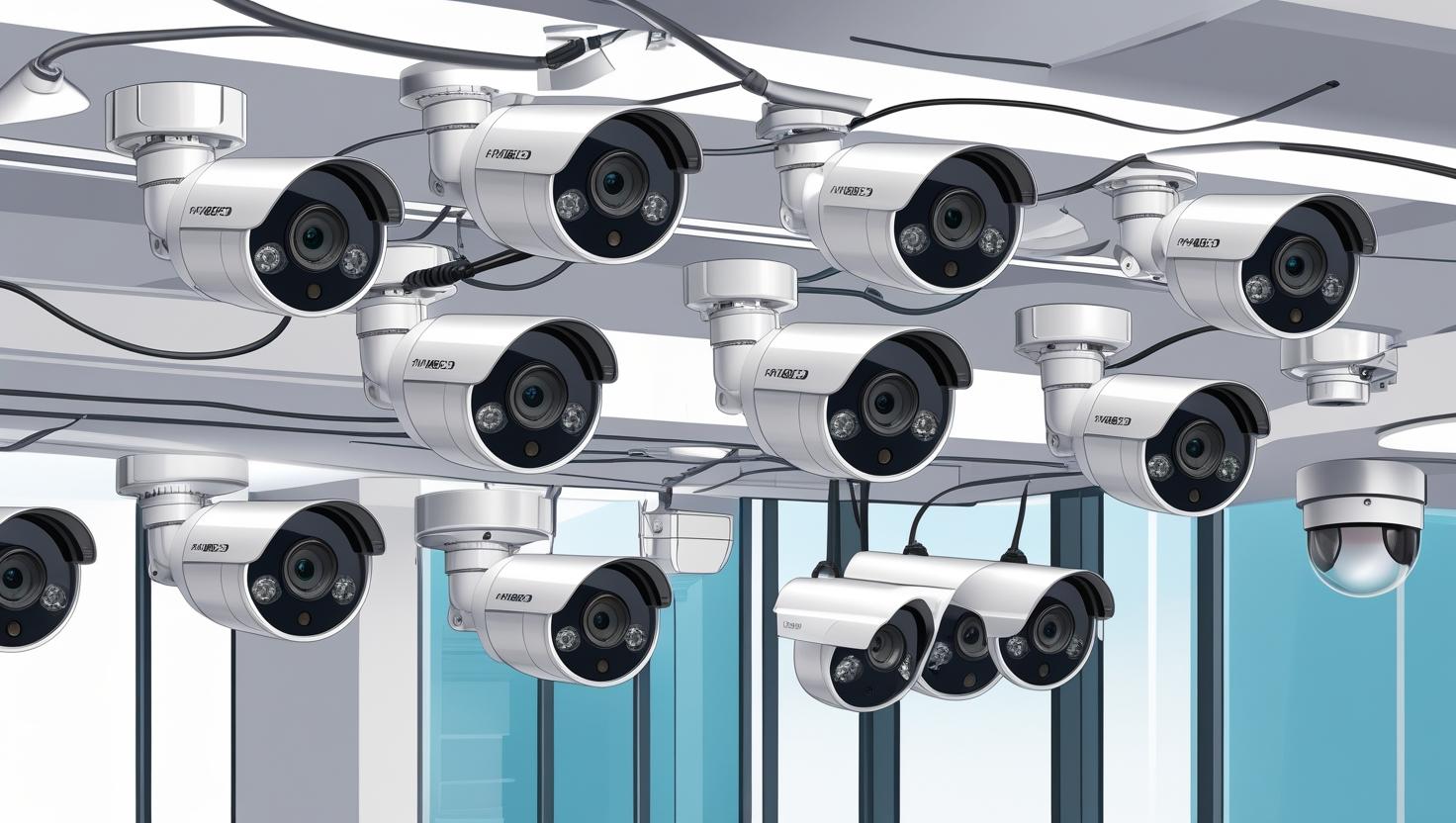
A 16-channel IP CCTV system installation involves setting up a network of 16 IP cameras connected to a Network Video Recorder (NVR) or a cloud-based video management system. This type of system offers several benefits, including remote viewing, access to video footage from various devices, and often, advanced features like motion detection and alerts.
Elaboration:
-
IP Cameras:
These cameras use a network (typically WiFi or Ethernet) to transmit video data, allowing for flexible installation and remote viewing.
-
Network Video Recorder (NVR):
The NVR acts as the central hub, recording and storing video footage from all connected cameras.
-
Installation Process:
Installation typically involves:
- Planning: Determining camera placement and considering factors like coverage, lighting, and potential obstructions.
- Wiring/Networking: Connecting cameras to the network, either through wired Ethernet cables or using a wireless network.
- Power Supply: Ensuring power to all components, including cameras, NVR, and any associated devices.
- Configuration: Setting up the system, including network settings, user access, and recording parameters.
- Planning: Determining camera placement and considering factors like coverage, lighting, and potential obstructions.
-
Features:
16-channel IP CCTV systems often include:
- Remote Access: Viewing live footage and accessing recordings from any device with internet access.
- Motion Detection: Triggering alerts or recording when motion is detected within the camera’s field of view.
- Night Vision: Cameras with infrared LEDs for viewing in low-light conditions.
- Cloud Storage: Storing recordings on the cloud for backup and accessibility.
- Remote Access: Viewing live footage and accessing recordings from any device with internet access.


Reviews
There are no reviews yet.